De camera wordt het besturingssysteem van de fysieke wereld
Hoe AI-videoanalyse bestaande CCTV-systemen verandert in een van de waardevolste bronnen van bedrijfsinformatie

Michel l' Amie, Chief Product & Technology Officer (CPTO)

Al meer dan dertig jaar bouwen commerciële organisaties vrijwel ongemerkt aan een van de grootste sensornetwerken uit de geschiedenis. Retailers installeerden camera’s om diefstal en verlies terug te dringen. Winkelcentra, luchthavens, universiteiten en gemeenten volgden om de veiligheid te verbeteren. Vandaag de dag observeren miljoenen CCTV-camera’s de plekken waar mensen werken, winkelen, reizen en samenkomen. Het is een enorme investering die voor de meeste organisaties nog altijd maar één doel dient: vastleggen wat er is gebeurd.
Dat is precies waarvoor beveiligingssystemen zijn ontwikkeld: incidenten detecteren en alarm slaan. Wie footfall, bezetting of bezoekersstromen wilde meten, moest investeren in afzonderlijke, gespecialiseerde sensoren. Traditionele CCTV-systemen konden immers geen betrouwbare operationele data leveren. Dat verandert nu.
Dankzij ontwikkelingen in kunstmatige intelligentie, computer vision en edge computing kunnen organisaties de camera’s die zij al bezitten inzetten voor toepassingen die voorheen alleen met specifieke sensoren mogelijk waren. En daar komt PFM in beeld: wij zetten footfalldata om in bruikbare inzichten. Zo kan dezelfde infrastructuur die een locatie beveiligt ook bijdragen aan een betere klantervaring, een efficiëntere personeelsplanning en slimmer gebouwbeheer.
Met andere woorden: de camera ontwikkelt zich van een observatiemiddel tot een sensor voor business intelligence. En dat verandert alles.
We spraken met Michel l’ Amie, Chief Product and Technology Officer (CPTO) bij PFM Intelligence, over de mogelijkheden van footfall intelligence op basis van bestaande CCTV-infrastructuur.
Ieder gebouw zit al vol onbenutte intelligentie
Decennialang voegden organisaties voor iedere nieuwe operationele toepassing extra infrastructuur toe: één apparaat per gewenste usecase.
Die aanpak was niet verkeerd. Sterker nog: gespecialiseerde sensoren blijven in veel omgevingen de nauwkeurigste oplossing, vooral wanneer contractuele rapportages of facturatie afhankelijk zijn van precieze metingen.
Bij PFM blijven we technologieën zoals onze 3D-sensoren aanbevelen wanneer klanten een nauwkeurigheid van meer dan 99% nodig hebben. De juiste technologie hangt immers af van het probleem dat je wilt oplossen. Wat wel is veranderd, is de aanname dat ieder nieuw inzicht ook nieuwe hardware vereist.
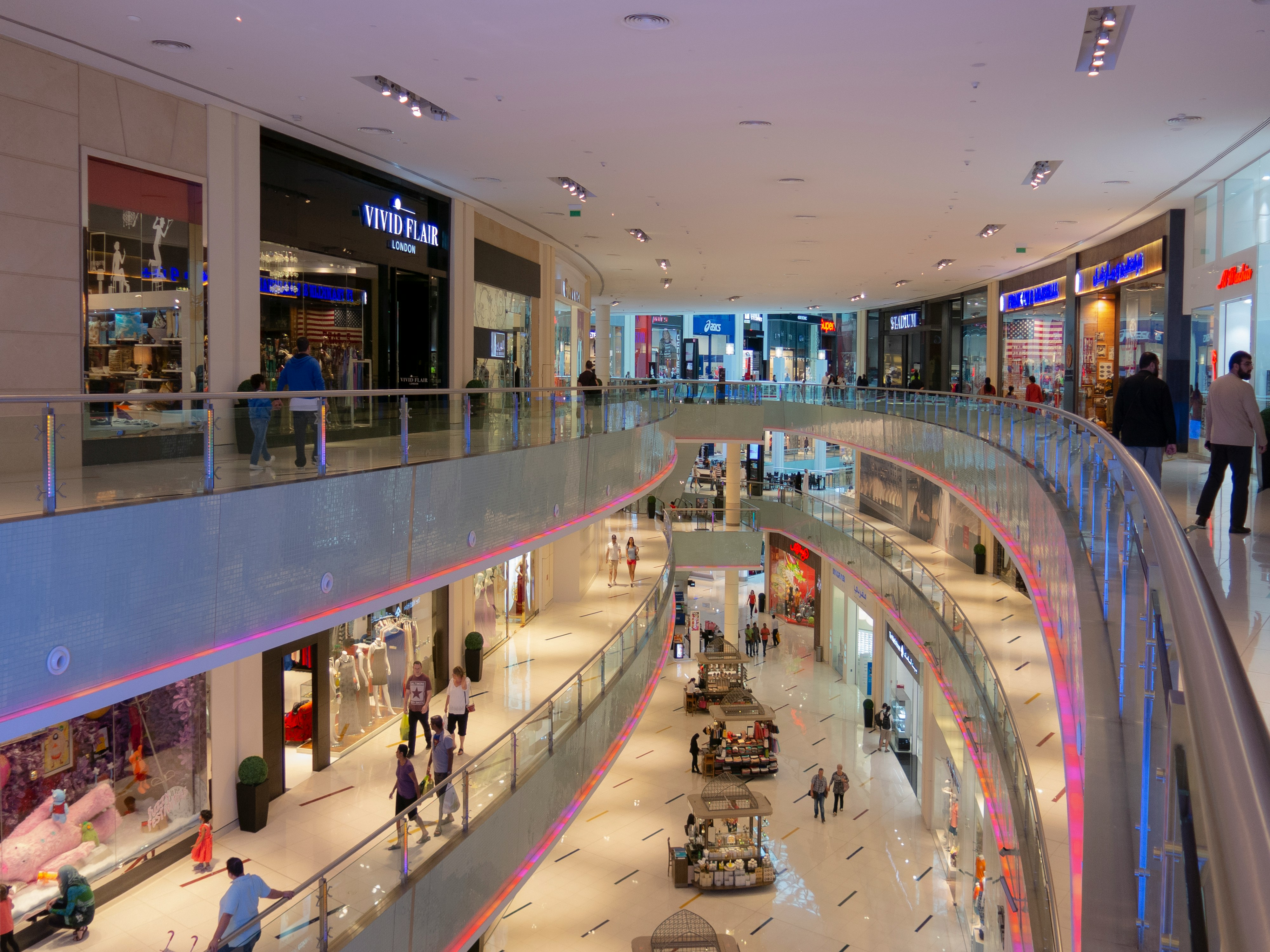
Neem een modern winkelcentrum. Daar hangen mogelijk al 150 camera’s bij entrees, gangen, foodcourts, parkeerterreinen en openbare ruimtes. Een retailer heeft wellicht camera’s boven iedere ingang, kassa en winkelvloer. Luchthavens werken standaard met honderden en soms zelfs duizenden camera’s verspreid over hun terminals. Vanuit een ander perspectief bekeken, beschikken deze organisaties dus al over een van de rijkste sensornetwerken die je je kunt voorstellen.
De camera’s waren nooit de beperking. Onze mogelijkheid om te interpreteren wat ze zagen, was dat wel.
“De meeste van onze klanten hebben al CCTV-camera’s geïnstalleerd”, legt Michel l’ Amie uit. “Die camera’s draaien 24 uur per dag, maar leveren geen enkele vorm van bedrijfsinformatie op. Het probleem dat we oplossen is niet een gebrek aan camera’s. Het is een gebrek aan intelligentie uit camera’s die er al zijn. De camera’s zijn al betaald. Wij ontsluiten alleen hun potentieel.”
AI-videoanalyse heeft een kantelpunt bereikt
Veel mensen denken dat personentelling met camera’s een recente ontwikkeling is. Dat klopt niet. De sector experimenteert al jaren met CCTV-analyse.
Het probleem was dat eerdere generaties technologie gebruikmaakten van methoden die moeite hadden met de complexiteit van de praktijk. Veranderend licht, schaduwen, reflecties en drukke situaties konden allemaal ten koste gaan van de betrouwbaarheid. Daarom bleven gespecialiseerde telsensoren de voorkeursoplossing voor organisaties die op consistente data moesten kunnen vertrouwen. Kunstmatige intelligentie heeft die verhouding veranderd.
Moderne neurale netwerken vergelijken niet alleen pixels tussen verschillende videobeelden. Ze herkennen objecten, maken onderscheid tussen mensen en andere bewegende voorwerpen, begrijpen ruimtelijke verhoudingen en worden steeds beter in het interpreteren van complexe omgevingen.
Juist die sprong maakt de AI-videoanalyse van vandaag fundamenteel anders dan de systemen die veel organisaties tien jaar geleden terzijde schoven.
“Vroeger was het oprecht lastig om betrouwbare teldata uit een standaard beveiligingscamera te halen”, zegt l’ Amie. “Machinelearningmodellen, neurale netwerken en AI op edge-apparatuur hebben zich de afgelopen jaren razendsnel ontwikkeld. De nauwkeurigheid en betrouwbaarheid van objectdetectie met camera’s bevinden zich nu in een compleet andere categorie.”
Ook de timing is belangrijk. Commerciële organisaties staan onder toenemende druk om efficiënter te werken, de klantervaring te verbeteren en beslissingen op feiten te baseren, terwijl ze tegelijkertijd hun kosten moeten beheersen.
Een volledig CCTV-netwerk vervangen door nieuwe hardware is zelden aantrekkelijk. Intelligentie ontsluiten uit infrastructuur die al aanwezig is, is dat wel.
Daarom ontwikkelt AI-videoanalyse zich snel tot een van de interessantste innovaties binnen de markt voor movement intelligence.
Verder dan CCTV-analyse: begrijpen hoe locaties werkelijk functioneren
De eerste vraag die veel organisaties stellen, is of AI-videoanalyse met bestaande CCTV-camera’s betrouwbare personentellingen kan leveren. Het antwoord is ja.
Met daarbij de kanttekening dat de toevoeging van een gespecialiseerde personentelsensor de nauwkeurigheid nog verder kan verhogen. Maar wie alleen naar tellingen kijkt, mist de grotere kans.
Een telling vertelt hoeveel mensen een locatie zijn binnengekomen. Inzicht in hun gedrag laat zien waarom die locatie presteert zoals zij presteert - en wat je kunt veranderen.
Zodra bestaande camera’s intelligente sensoren worden, kunnen inzichten direct worden omgezet in actie.
Retailvideoanalyse laat zien waar bezoekers het langst verblijven en welke entrees het beste presteren. Zo kunnen merchandising en campagnes worden geplaatst waar ze daadwerkelijk worden gezien.
Wachtrijanalyse maakt zichtbaar waar rijen beginnen te ontstaan, zodat managers op tijd een extra kassa kunnen openen of medewerkers anders kunnen inzetten voordat de klanttevredenheid eronder lijdt.
Heatmaps en customer journey analytics laten zien hoe mensen zich werkelijk door een winkel of winkelcentrum bewegen. Dat levert feitelijke onderbouwing op om indelingen te verbeteren, huurders strategischer te plaatsen en winkelruimte te waarderen op basis van footfall in plaats van onderbuikgevoel.
Bezettingsmetingen helpen facilitaire teams bovendien om schoonmaak- en personeelsschema’s af te stemmen op het daadwerkelijke gebruik van het gebouw.
Van week tot week en van seizoen tot seizoen bouwen deze inzichten zich op tot iets dat waardevoller is dan welk afzonderlijk rapport dan ook: een continu, datagedreven beeld van hoe je locatie functioneert - en waar zij beter kan presteren.
In de onderstaande video vertelt onze Market Development Director Mark King tijdens ons klantevenement bij Future Stores in Londen in juni 2026 over de CCTV AI-mogelijkheden van PFM.
Samen veranderen deze inzichten CCTV van een passief registratiesysteem in een continue bron van bedrijfsinformatie. Voor retailers betekent dit dat zij beter begrijpen hoe merchandisingbeslissingen het gedrag van klanten beïnvloeden. Voor winkelcentra betekent het dat zij het effect van evenementen, wijzigingen in de huurdersmix of nieuwe entrees kunnen meten.
Luchthavens krijgen een duidelijker beeld van passagiersstromen. Gemeenten kunnen beter begrijpen hoe voetgangers en fietsers de openbare ruimte gebruiken.
De camera wordt meer dan een beveiligingsmiddel. Het wordt een hulpmiddel voor betere besluitvorming.
Is camera-analyse AVG-conform?
Wanneer AI en camera’s in één gesprek worden genoemd, komt privacy onvermijdelijk ter sprake. Dat begrijpen wij heel goed.
Verantwoorde innovatie is afhankelijk van vertrouwen. Bij PFM zijn we er trots op dat onze oplossingen volgens het principe van privacy by design worden ontwikkeld.
Gelukkig werkt moderne, AVG-conforme videoanalyse heel anders dan de surveillancesystemen die veel mensen zich daarbij voorstellen.
De verwerking vindt lokaal plaats op specifieke hardware bij de klant. Videobeelden hoeven voor analyse niet naar de cloud te worden gestreamd. Mensen en voertuigen worden realtime geanonimiseerd en het platform verstuurt metadata in plaats van beelden.
Wat uiteindelijk in dashboards terechtkomt, zijn bezettingsgegevens, footfall, verblijfsduur en bewegingsstatistieken — geen herkenbare videobeelden.
“De camera ziet beweging”, zegt l’ Amie. “De software zet die beweging om in data en verwijdert het beeld binnen milliseconden.”
Deze privacy-by-designaanpak stelt organisaties in staat operationele inzichten te verkrijgen en tegelijkertijd de anonimiteit van individuen te respecteren. Intelligente gebouwen hoeven dus geen surveillanceomgevingen te worden.
Waarom PFM voor deze richting kiest
Bij PFM is het altijd onze ambitie geweest om organisaties te helpen het volledige potentieel van hun locaties te benutten met movement intelligence.
Gespecialiseerde precisiesensoren blijven een essentieel onderdeel van die visie. Ook kostenefficiënte personentellers blijven een belangrijke rol spelen.
Maar wanneer we organisaties echt willen helpen begrijpen hoe hun locaties presteren, moeten we ook gebruikmaken van de infrastructuur die al om ons heen aanwezig is.
Door perception software te combineren met het movement-intelligenceplatform van PFM, kunnen we bestaande IP-camera’s veranderen in intelligente bedrijfssensoren.
Organisaties kunnen beginnen met personentelling en footfallanalyse via CCTV en dit vervolgens uitbreiden met analyses van verblijfsduur, bezettingsmetingen, bezoekersstromen, heatmaps en geavanceerde operationele inzichten — allemaal met de camera’s die zij al bezitten.
De data stroomt veilig vanuit de camera naar ons intelligenceplatform, dat is gebouwd op meer dan veertig jaar ervaring met het omzetten van footfalldata in bruikbare inzichten.
Ons uitgangspunt is eenvoudig: data leveren die Accurate, Reliable and Consistent is.
Deze ARC-standaard geeft klanten het vertrouwen om actief te werken met data uit CCTV-systemen en die te vertalen naar bedrijfsinformatie die betere operationele en strategische beslissingen ondersteunt.
Ons platform PFM Advantage brengt deze inzichten samen in één verbonden omgeving.
Onze data-analisten werken continu met klantdata en houden de kwaliteit ervan doorlopend in de gaten. Zo helpt het platform organisaties om in de loop van de tijd een rijker en completer beeld te ontwikkelen van de prestaties van hun locaties.
Belangrijk is dat dit niet betekent dat iedere bestaande oplossing door camera-analyse moet worden vervangen. Sommige omgevingen zullen altijd de ongeëvenaarde precisie van gespecialiseerde personentelsensoren nodig hebben. In andere situaties volstaat een eenvoudige teller.
Het is niet onze verantwoordelijkheid om één specifieke technologie te verkopen. Het is onze verantwoordelijkheid om de technologie aan te bevelen die iedere klant het beste helpt zijn uitdaging op te lossen. Dat is de filosofie waar wij voor staan.
Iedere camera kan meer worden dan hij vandaag is
Technologische revoluties lijken achteraf vaak vanzelfsprekend.
Vandaag vinden we het heel normaal dat een smartphone tegelijkertijd een camera, kaart, portemonnee en navigatiesysteem is. Toch ontstonden al die mogelijkheden doordat software nieuwe waarde ontsloot uit hardware die mensen al bezaten.
Dezelfde verschuiving bereikt nu de miljoenen CCTV-camera’s in onze winkels, luchthavens, campussen en steden.
Dertig jaar lang legden ze vast wat er was gebeurd.
Nu kunnen ze helpen bepalen wat er daarna gebeurt.
De investering is al gedaan. De infrastructuur is al aanwezig.
Zoals Michel l’ Amie het verwoordt:
“Onze ambitie is om overal locatiepotentieel te ontsluiten. Iedere camera is een sensor die wacht om te worden geactiveerd.”
Die van jou ook.
Veelgestelde vragen
Kan ik mijn bestaande CCTV-camera’s gebruiken voor personentelling?
Ja. Iedere IP-camera die het standaard RTSP-protocol ondersteunt, kan worden gebruikt voor personentelling. De camera’s hoeven daarvoor niet te worden vervangen.
Eén AI-computebox op je locatie maakt verbinding met de camera’s die je al hebt en kan vervolgens footfall, bezettingsniveaus, verblijfsduur, heatmaps en informatie over drukte genereren.
Hoe nauwkeurig is AI-personentelling met CCTV-camera’s?
AI-personentelling met bestaande CCTV-camera’s bereikt een nauwkeurigheid van meer dan 95%. Dat is voldoende voor het overgrote deel van de operationele toepassingen.
Wanneer een gegarandeerde nauwkeurigheid van meer dan 99% niet onderhandelbaar is — bijvoorbeeld voor facturatiecontracten of harde SLA’s — blijft de toevoeging van gespecialiseerde 3D-sensoren, zoals die van Xovis, de juiste keuze. Dat is dan ook wat PFM zal adviseren.
De twee technologieën vullen elkaar aan. Ze concurreren niet met elkaar.
Is AI-videoanalyse AVG-conform?
Ja. AI-videoanalyse kan volledig AVG-conform worden ingericht wanneer deze volgens privacy-by-designprincipes is ontwikkeld.
Video wordt lokaal verwerkt, realtime geanonimiseerd en niet opgeslagen of verzonden. Alle verwerking vindt plaats op hardware op de eigen locatie. Gezichten en kentekenplaten worden tijdens de analyse gepixeld en het beeld wordt direct daarna verwijderd.
Wat het gebouw verlaat, is een getal — geen gezicht.
Volledige technische en juridische documentatie kan worden aangeleverd.
Welke hardware heb ik nodig voor personentelling met CCTV?
Je hebt geen nieuwe camera’s nodig. Alleen een AI-computebox die verbinding maakt met je bestaande CCTV-infrastructuur.
Iedere RTSP-compatibele IP-camera kan worden gebruikt en een standaard Full HD-resolutie is voldoende.
Omdat er geen uitgebreid sensorinstallatieproject nodig is, kan een organisatie met honderden camera’s binnen enkele weken inzichten genereren in plaats van pas na enkele maanden.
Hoe weet ik of AI-videoanalyse met mijn camera’s werkt?
Je kunt het eerst met je eigen beelden testen.
PFM verwerkt een kort fragment van je camera’s — tien minuten is al voldoende — en laat de resultaten zien.
Zo zie je vóórdat je een beslissing neemt hoe nauwkeurig de detectie is en hoe realtime anonimisering functioneert binnen je eigen omgeving en lichtomstandigheden.
Al meer dan dertig jaar bouwen commerciële organisaties vrijwel ongemerkt aan een van de grootste sensornetwerken uit de geschiedenis. Retailers installeerden camera’s om diefstal en verlies terug te dringen. Winkelcentra, luchthavens, universiteiten en gemeenten volgden om de veiligheid te verbeteren. Vandaag de dag observeren miljoenen CCTV-camera’s de plekken waar mensen werken, winkelen, reizen en samenkomen. Het is een enorme investering die voor de meeste organisaties nog altijd maar één doel dient: vastleggen wat er is gebeurd.
Dat is precies waarvoor beveiligingssystemen zijn ontwikkeld: incidenten detecteren en alarm slaan. Wie footfall, bezetting of bezoekersstromen wilde meten, moest investeren in afzonderlijke, gespecialiseerde sensoren. Traditionele CCTV-systemen konden immers geen betrouwbare operationele data leveren. Dat verandert nu.
Dankzij ontwikkelingen in kunstmatige intelligentie, computer vision en edge computing kunnen organisaties de camera’s die zij al bezitten inzetten voor toepassingen die voorheen alleen met specifieke sensoren mogelijk waren. En daar komt PFM in beeld: wij zetten footfalldata om in bruikbare inzichten. Zo kan dezelfde infrastructuur die een locatie beveiligt ook bijdragen aan een betere klantervaring, een efficiëntere personeelsplanning en slimmer gebouwbeheer.
Met andere woorden: de camera ontwikkelt zich van een observatiemiddel tot een sensor voor business intelligence. En dat verandert alles.
We spraken met Michel l’ Amie, Chief Product and Technology Officer (CPTO) bij PFM Intelligence, over de mogelijkheden van footfall intelligence op basis van bestaande CCTV-infrastructuur.
Ieder gebouw zit al vol onbenutte intelligentie
Decennialang voegden organisaties voor iedere nieuwe operationele toepassing extra infrastructuur toe: één apparaat per gewenste usecase.
Die aanpak was niet verkeerd. Sterker nog: gespecialiseerde sensoren blijven in veel omgevingen de nauwkeurigste oplossing, vooral wanneer contractuele rapportages of facturatie afhankelijk zijn van precieze metingen.
Bij PFM blijven we technologieën zoals onze 3D-sensoren aanbevelen wanneer klanten een nauwkeurigheid van meer dan 99% nodig hebben. De juiste technologie hangt immers af van het probleem dat je wilt oplossen. Wat wel is veranderd, is de aanname dat ieder nieuw inzicht ook nieuwe hardware vereist.
Neem een modern winkelcentrum. Daar hangen mogelijk al 150 camera’s bij entrees, gangen, foodcourts, parkeerterreinen en openbare ruimtes. Een retailer heeft wellicht camera’s boven iedere ingang, kassa en winkelvloer. Luchthavens werken standaard met honderden en soms zelfs duizenden camera’s verspreid over hun terminals. Vanuit een ander perspectief bekeken, beschikken deze organisaties dus al over een van de rijkste sensornetwerken die je je kunt voorstellen.
De camera’s waren nooit de beperking. Onze mogelijkheid om te interpreteren wat ze zagen, was dat wel.
“De meeste van onze klanten hebben al CCTV-camera’s geïnstalleerd”, legt Michel l’ Amie uit. “Die camera’s draaien 24 uur per dag, maar leveren geen enkele vorm van bedrijfsinformatie op. Het probleem dat we oplossen is niet een gebrek aan camera’s. Het is een gebrek aan intelligentie uit camera’s die er al zijn. De camera’s zijn al betaald. Wij ontsluiten alleen hun potentieel.”
AI-videoanalyse heeft een kantelpunt bereikt
Veel mensen denken dat personentelling met camera’s een recente ontwikkeling is. Dat klopt niet. De sector experimenteert al jaren met CCTV-analyse.
Het probleem was dat eerdere generaties technologie gebruikmaakten van methoden die moeite hadden met de complexiteit van de praktijk. Veranderend licht, schaduwen, reflecties en drukke situaties konden allemaal ten koste gaan van de betrouwbaarheid. Daarom bleven gespecialiseerde telsensoren de voorkeursoplossing voor organisaties die op consistente data moesten kunnen vertrouwen. Kunstmatige intelligentie heeft die verhouding veranderd.
Moderne neurale netwerken vergelijken niet alleen pixels tussen verschillende videobeelden. Ze herkennen objecten, maken onderscheid tussen mensen en andere bewegende voorwerpen, begrijpen ruimtelijke verhoudingen en worden steeds beter in het interpreteren van complexe omgevingen.
Juist die sprong maakt de AI-videoanalyse van vandaag fundamenteel anders dan de systemen die veel organisaties tien jaar geleden terzijde schoven.
“Vroeger was het oprecht lastig om betrouwbare teldata uit een standaard beveiligingscamera te halen”, zegt l’ Amie. “Machinelearningmodellen, neurale netwerken en AI op edge-apparatuur hebben zich de afgelopen jaren razendsnel ontwikkeld. De nauwkeurigheid en betrouwbaarheid van objectdetectie met camera’s bevinden zich nu in een compleet andere categorie.”
Ook de timing is belangrijk. Commerciële organisaties staan onder toenemende druk om efficiënter te werken, de klantervaring te verbeteren en beslissingen op feiten te baseren, terwijl ze tegelijkertijd hun kosten moeten beheersen.
Een volledig CCTV-netwerk vervangen door nieuwe hardware is zelden aantrekkelijk. Intelligentie ontsluiten uit infrastructuur die al aanwezig is, is dat wel.
Daarom ontwikkelt AI-videoanalyse zich snel tot een van de interessantste innovaties binnen de markt voor movement intelligence.
Verder dan CCTV-analyse: begrijpen hoe locaties werkelijk functioneren
De eerste vraag die veel organisaties stellen, is of AI-videoanalyse met bestaande CCTV-camera’s betrouwbare personentellingen kan leveren. Het antwoord is ja.
Met daarbij de kanttekening dat de toevoeging van een gespecialiseerde personentelsensor de nauwkeurigheid nog verder kan verhogen. Maar wie alleen naar tellingen kijkt, mist de grotere kans.
Een telling vertelt hoeveel mensen een locatie zijn binnengekomen. Inzicht in hun gedrag laat zien waarom die locatie presteert zoals zij presteert - en wat je kunt veranderen.
Zodra bestaande camera’s intelligente sensoren worden, kunnen inzichten direct worden omgezet in actie.
Retailvideoanalyse laat zien waar bezoekers het langst verblijven en welke entrees het beste presteren. Zo kunnen merchandising en campagnes worden geplaatst waar ze daadwerkelijk worden gezien.
Wachtrijanalyse maakt zichtbaar waar rijen beginnen te ontstaan, zodat managers op tijd een extra kassa kunnen openen of medewerkers anders kunnen inzetten voordat de klanttevredenheid eronder lijdt.
Heatmaps en customer journey analytics laten zien hoe mensen zich werkelijk door een winkel of winkelcentrum bewegen. Dat levert feitelijke onderbouwing op om indelingen te verbeteren, huurders strategischer te plaatsen en winkelruimte te waarderen op basis van footfall in plaats van onderbuikgevoel.
Bezettingsmetingen helpen facilitaire teams bovendien om schoonmaak- en personeelsschema’s af te stemmen op het daadwerkelijke gebruik van het gebouw.
Van week tot week en van seizoen tot seizoen bouwen deze inzichten zich op tot iets dat waardevoller is dan welk afzonderlijk rapport dan ook: een continu, datagedreven beeld van hoe je locatie functioneert - en waar zij beter kan presteren.
In de onderstaande video vertelt onze Market Development Director Mark King tijdens ons klantevenement bij Future Stores in Londen in juni 2026 over de CCTV AI-mogelijkheden van PFM.
Samen veranderen deze inzichten CCTV van een passief registratiesysteem in een continue bron van bedrijfsinformatie. Voor retailers betekent dit dat zij beter begrijpen hoe merchandisingbeslissingen het gedrag van klanten beïnvloeden. Voor winkelcentra betekent het dat zij het effect van evenementen, wijzigingen in de huurdersmix of nieuwe entrees kunnen meten.
Luchthavens krijgen een duidelijker beeld van passagiersstromen. Gemeenten kunnen beter begrijpen hoe voetgangers en fietsers de openbare ruimte gebruiken.
De camera wordt meer dan een beveiligingsmiddel. Het wordt een hulpmiddel voor betere besluitvorming.
Is camera-analyse AVG-conform?
Wanneer AI en camera’s in één gesprek worden genoemd, komt privacy onvermijdelijk ter sprake. Dat begrijpen wij heel goed.
Verantwoorde innovatie is afhankelijk van vertrouwen. Bij PFM zijn we er trots op dat onze oplossingen volgens het principe van privacy by design worden ontwikkeld.
Gelukkig werkt moderne, AVG-conforme videoanalyse heel anders dan de surveillancesystemen die veel mensen zich daarbij voorstellen.
De verwerking vindt lokaal plaats op specifieke hardware bij de klant. Videobeelden hoeven voor analyse niet naar de cloud te worden gestreamd. Mensen en voertuigen worden realtime geanonimiseerd en het platform verstuurt metadata in plaats van beelden.
Wat uiteindelijk in dashboards terechtkomt, zijn bezettingsgegevens, footfall, verblijfsduur en bewegingsstatistieken — geen herkenbare videobeelden.
“De camera ziet beweging”, zegt l’ Amie. “De software zet die beweging om in data en verwijdert het beeld binnen milliseconden.”
Deze privacy-by-designaanpak stelt organisaties in staat operationele inzichten te verkrijgen en tegelijkertijd de anonimiteit van individuen te respecteren. Intelligente gebouwen hoeven dus geen surveillanceomgevingen te worden.
Waarom PFM voor deze richting kiest
Bij PFM is het altijd onze ambitie geweest om organisaties te helpen het volledige potentieel van hun locaties te benutten met movement intelligence.
Gespecialiseerde precisiesensoren blijven een essentieel onderdeel van die visie. Ook kostenefficiënte personentellers blijven een belangrijke rol spelen.
Maar wanneer we organisaties echt willen helpen begrijpen hoe hun locaties presteren, moeten we ook gebruikmaken van de infrastructuur die al om ons heen aanwezig is.
Door perception software te combineren met het movement-intelligenceplatform van PFM, kunnen we bestaande IP-camera’s veranderen in intelligente bedrijfssensoren.
Organisaties kunnen beginnen met personentelling en footfallanalyse via CCTV en dit vervolgens uitbreiden met analyses van verblijfsduur, bezettingsmetingen, bezoekersstromen, heatmaps en geavanceerde operationele inzichten — allemaal met de camera’s die zij al bezitten.
De data stroomt veilig vanuit de camera naar ons intelligenceplatform, dat is gebouwd op meer dan veertig jaar ervaring met het omzetten van footfalldata in bruikbare inzichten.
Ons uitgangspunt is eenvoudig: data leveren die Accurate, Reliable and Consistent is.
Deze ARC-standaard geeft klanten het vertrouwen om actief te werken met data uit CCTV-systemen en die te vertalen naar bedrijfsinformatie die betere operationele en strategische beslissingen ondersteunt.
Ons platform PFM Advantage brengt deze inzichten samen in één verbonden omgeving.
Onze data-analisten werken continu met klantdata en houden de kwaliteit ervan doorlopend in de gaten. Zo helpt het platform organisaties om in de loop van de tijd een rijker en completer beeld te ontwikkelen van de prestaties van hun locaties.
Belangrijk is dat dit niet betekent dat iedere bestaande oplossing door camera-analyse moet worden vervangen. Sommige omgevingen zullen altijd de ongeëvenaarde precisie van gespecialiseerde personentelsensoren nodig hebben. In andere situaties volstaat een eenvoudige teller.
Het is niet onze verantwoordelijkheid om één specifieke technologie te verkopen. Het is onze verantwoordelijkheid om de technologie aan te bevelen die iedere klant het beste helpt zijn uitdaging op te lossen. Dat is de filosofie waar wij voor staan.
Iedere camera kan meer worden dan hij vandaag is
Technologische revoluties lijken achteraf vaak vanzelfsprekend.
Vandaag vinden we het heel normaal dat een smartphone tegelijkertijd een camera, kaart, portemonnee en navigatiesysteem is. Toch ontstonden al die mogelijkheden doordat software nieuwe waarde ontsloot uit hardware die mensen al bezaten.
Dezelfde verschuiving bereikt nu de miljoenen CCTV-camera’s in onze winkels, luchthavens, campussen en steden.
Dertig jaar lang legden ze vast wat er was gebeurd.
Nu kunnen ze helpen bepalen wat er daarna gebeurt.
De investering is al gedaan. De infrastructuur is al aanwezig.
Zoals Michel l’ Amie het verwoordt:
“Onze ambitie is om overal locatiepotentieel te ontsluiten. Iedere camera is een sensor die wacht om te worden geactiveerd.”
Die van jou ook.
Veelgestelde vragen
Kan ik mijn bestaande CCTV-camera’s gebruiken voor personentelling?
Ja. Iedere IP-camera die het standaard RTSP-protocol ondersteunt, kan worden gebruikt voor personentelling. De camera’s hoeven daarvoor niet te worden vervangen.
Eén AI-computebox op je locatie maakt verbinding met de camera’s die je al hebt en kan vervolgens footfall, bezettingsniveaus, verblijfsduur, heatmaps en informatie over drukte genereren.
Hoe nauwkeurig is AI-personentelling met CCTV-camera’s?
AI-personentelling met bestaande CCTV-camera’s bereikt een nauwkeurigheid van meer dan 95%. Dat is voldoende voor het overgrote deel van de operationele toepassingen.
Wanneer een gegarandeerde nauwkeurigheid van meer dan 99% niet onderhandelbaar is — bijvoorbeeld voor facturatiecontracten of harde SLA’s — blijft de toevoeging van gespecialiseerde 3D-sensoren, zoals die van Xovis, de juiste keuze. Dat is dan ook wat PFM zal adviseren.
De twee technologieën vullen elkaar aan. Ze concurreren niet met elkaar.
Is AI-videoanalyse AVG-conform?
Ja. AI-videoanalyse kan volledig AVG-conform worden ingericht wanneer deze volgens privacy-by-designprincipes is ontwikkeld.
Video wordt lokaal verwerkt, realtime geanonimiseerd en niet opgeslagen of verzonden. Alle verwerking vindt plaats op hardware op de eigen locatie. Gezichten en kentekenplaten worden tijdens de analyse gepixeld en het beeld wordt direct daarna verwijderd.
Wat het gebouw verlaat, is een getal — geen gezicht.
Volledige technische en juridische documentatie kan worden aangeleverd.
Welke hardware heb ik nodig voor personentelling met CCTV?
Je hebt geen nieuwe camera’s nodig. Alleen een AI-computebox die verbinding maakt met je bestaande CCTV-infrastructuur.
Iedere RTSP-compatibele IP-camera kan worden gebruikt en een standaard Full HD-resolutie is voldoende.
Omdat er geen uitgebreid sensorinstallatieproject nodig is, kan een organisatie met honderden camera’s binnen enkele weken inzichten genereren in plaats van pas na enkele maanden.
Hoe weet ik of AI-videoanalyse met mijn camera’s werkt?
Je kunt het eerst met je eigen beelden testen.
PFM verwerkt een kort fragment van je camera’s — tien minuten is al voldoende — en laat de resultaten zien.
Zo zie je vóórdat je een beslissing neemt hoe nauwkeurig de detectie is en hoe realtime anonimisering functioneert binnen je eigen omgeving en lichtomstandigheden.
What could your existing cameras tell you?
Discover whether your current CCTV infrastructure can support footfall measurement, occupancy monitoring, queue analytics, heatmaps and customer flow insights. PFM can assess a selected location, identify the most valuable use cases and help you build a scalable business case.

What could your existing cameras tell you?
Discover whether your current CCTV infrastructure can support footfall measurement, occupancy monitoring, queue analytics, heatmaps and customer flow insights. PFM can assess a selected location, identify the most valuable use cases and help you build a scalable business case.
What could your existing cameras tell you?
Discover whether your current CCTV infrastructure can support footfall measurement, occupancy monitoring, queue analytics, heatmaps and customer flow insights. PFM can assess a selected location, identify the most valuable use cases and help you build a scalable business case.